Sheldrick Wildlife Trust
Umani Springs Reintegration Unit
Giving Vulnerable Orphaned Elephants a Second Chance
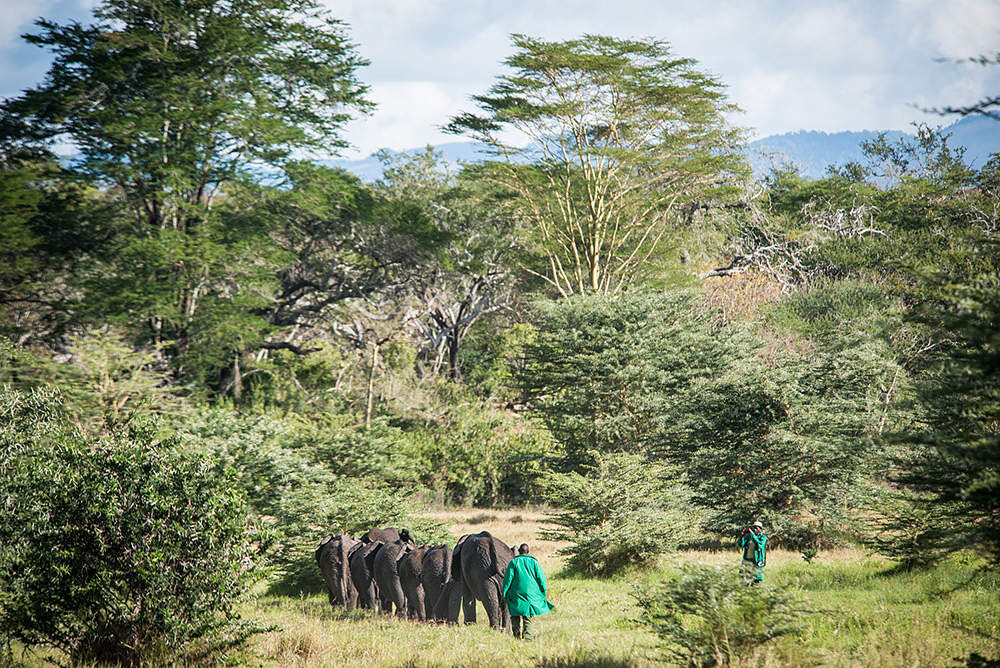
Hidden within the lush Kibwezi Forest, on the edge of Chyulu Hills National Park, the Umani Springs Reintegration Unit represents one of the most remarkable chapters in the Sheldrick Wildlife Trust’s elephant rehabilitation programme.
Established in 2014, Umani Springs was created specifically for orphaned elephants that require a gentler environment because of permanent injuries, physical disabilities, or other special needs. The sanctuary provides a safe space where these animals can recover away from harsher conditions.
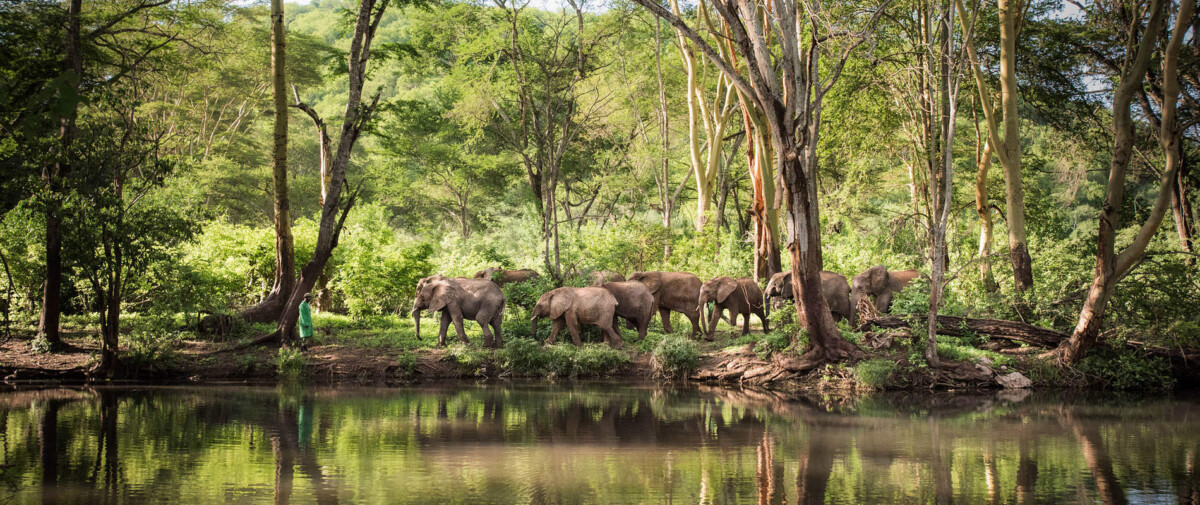
Instead of the hotter, drier landscapes of Tsavo, these elephants recover in a cool groundwater forest with permanent natural springs, abundant vegetation and shade throughout the year. Umani Springs plays a central role in their care and ongoing rehabilitation today.
Today, the Umani Springs Reintegration Unit has become an international conservation success story, proving that even elephants with significant injuries can regain their freedom and live independently in the wild.
🔘 Enquire Now
🌿 Why Was Umani Springs Created?
The success of the Ithumba Reintegration Unit demonstrated that orphaned elephants could successfully return to life in the wild. However, some elephants arriving at the Sheldrick Wildlife Trust had suffered devastating injuries.
| Injuries Treated | Details |
|---|---|
| 🔫 Gunshot Wounds | From conflict with humans |
| 🪤 Wire Snare Injuries | From poaching |
| 🦴 Broken Limbs | Requiring long-term recovery |
| 🦵 Damaged Joints | Affecting mobility |
| 👃 Partial Trunk Amputations | Life-threatening injuries |
| ♿ Permanent Disabilities | Requiring specialised care |
Many of these elephants would struggle in the harsher conditions of northern Tsavo. To meet their needs, the Sheldrick Wildlife Trust established the Umani Springs Reintegration Unit within Kibwezi Forest, where plentiful water, rich vegetation and gentle terrain provide ideal conditions for recovery and gradual reintegration.
🌳 The Perfect Forest Home
Unlike the open savannas of Tsavo East National Park, Kibwezi Forest is an ancient groundwater forest fed by underground springs.
| Habitat Feature | Details |
|---|---|
| 💧 Permanent Fresh Water | Fed by underground springs |
| 🌳 Dense Indigenous Forest | Ancient groundwater forest |
| 🌿 Year-Round Vegetation | Excellent natural browse |
| ❄️ Cooler Temperatures | Ideal for recovery |
| 🦌 Excellent Natural Browse | Abundant vegetation |
| 🐘 Safe Wildlife Corridors | Connecting protected habitats |
The forest connects directly with the Chyulu Hills and the wider Tsavo ecosystem, allowing elephants to move freely between protected habitats whenever they choose.
🎯 A Different Approach to Reintegration
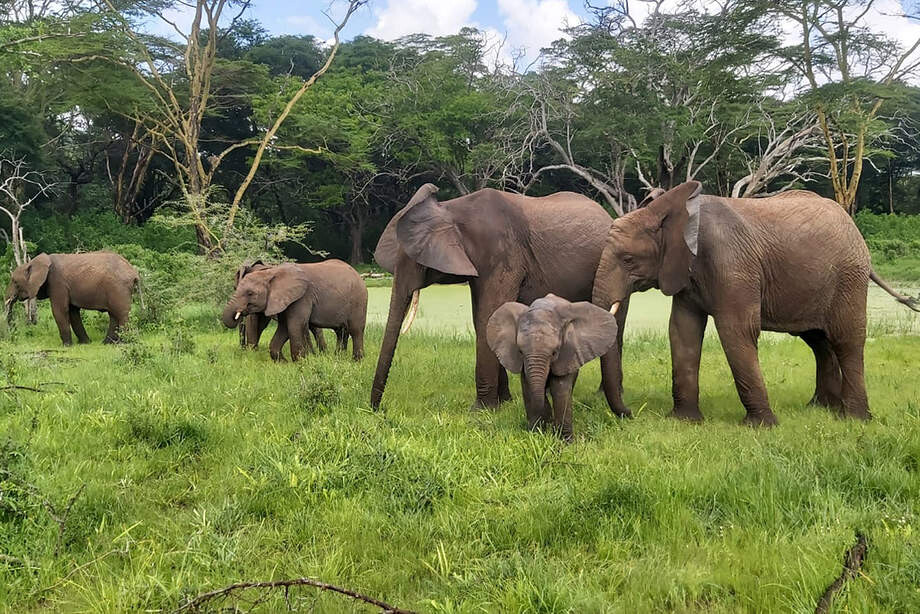
Every elephant at Umani Springs follows an individual rehabilitation journey. Rather than being rushed back into the wild, each elephant is encouraged to progress at its own pace.
| Programme Focus | Details |
|---|---|
| 💪 Building Confidence | At their own pace |
| 🦵 Strengthening Injured Limbs | Through gentle exercise |
| 🌿 Developing Natural Foraging Behaviour | Learning to browse |
| 🐘 Socialising with Other Orphaned Elephants | Forming bonds |
| 🦁 Forming Friendships with Wild Elephant Herds | Gradual integration |
| 🕊️ Encouraging Complete Independence | The ultimate goal |
The emphasis is always on freedom. The elephants are never forced to leave. Instead, they gradually choose to spend longer periods in the forest until they eventually live entirely as wild elephants. Many continue visiting the Keepers for years afterwards.
🌅 Daily Life at the Umani Springs Reintegration Unit
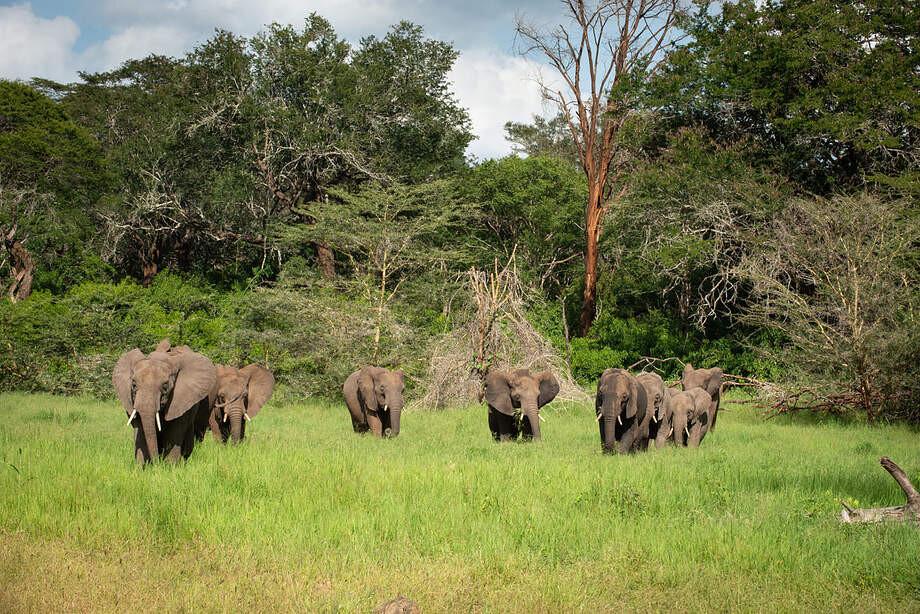
Each day begins at sunrise. The elephants leave their secure stockades with their Keepers before disappearing into the surrounding forest.
| Daily Activity | Details |
|---|---|
| 🌿 Browse on Natural Vegetation | Learning to forage |
| 💧 Visit Forest Springs | Fresh water sources |
| 🌳 Explore the Woodland | Freedom to roam |
| 🐘 Meet Wild Elephant Families | Social integration |
| 🎾 Play with Fellow Orphans | Building friendships |
| 🕊️ Develop Independence | Gradual reintegration |
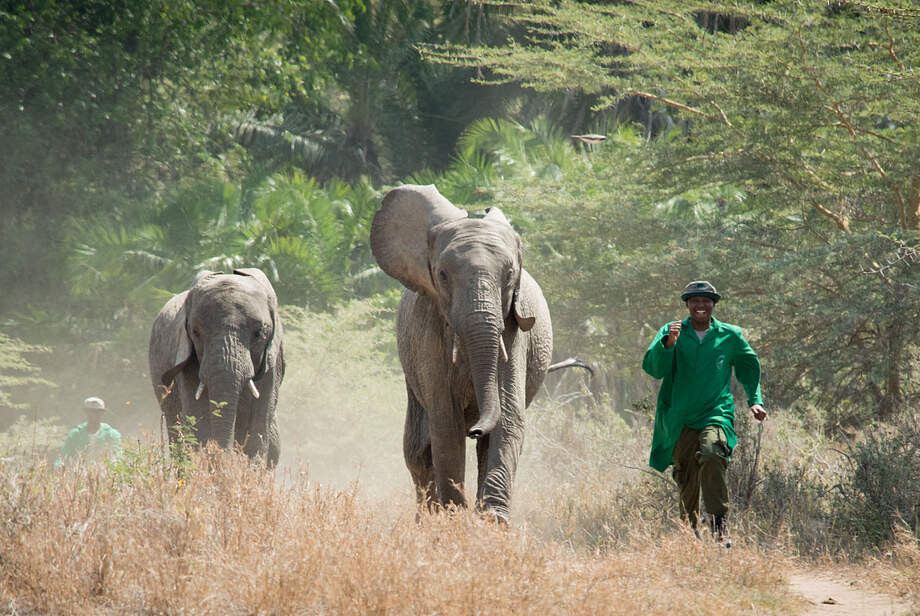
Unlike traditional sanctuaries, there are no fences preventing elephants from leaving. As they mature, they spend increasing amounts of time living completely independently before voluntarily returning to visit the Keepers who raised them.
🐘 Meet Some of Umani’s Remarkable Elephants
Many of the Unit’s most famous elephants arrived after surviving extraordinary hardships.
| Elephant | Story |
|---|---|
| 👑 Murera | One of the founding residents · Survived a serious hip injury that permanently affected her mobility · Despite this, she has become the respected matriarch of the Umani herd |
| 🐘 Sonje | Suffered a gunshot injury to her knee as a calf · Her calm nature and leadership have helped guide younger elephants through rehabilitation |
| 🦵 Luggard | Rescued after being shot multiple times, leaving him with severe damage to one leg · Thanks to years of dedicated care, he now enjoys a far more independent life in Kibwezi Forest |
| 👃 Enkesha | A wire snare nearly severed her trunk when she was a baby · After extensive veterinary treatment, she graduated to Umani Springs, where she continues to thrive |
| 🤍 Jasiri and Faraja | These rare albino elephants were relocated to Umani because the forest provides protection from the intense sunlight of Tsavo |
💚 The Remarkable Bond Between Keepers and Elephants
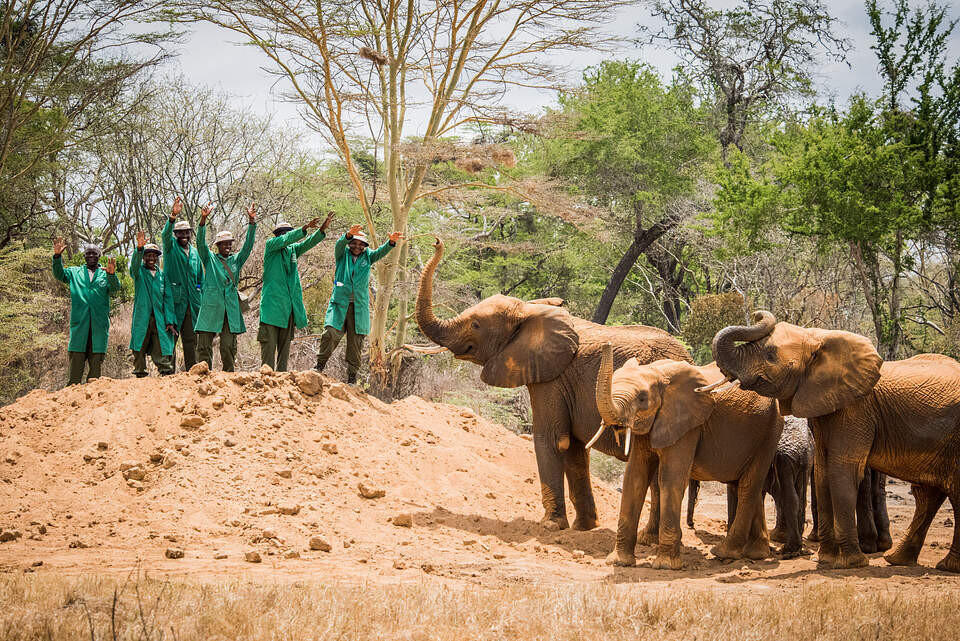
Although the ultimate goal is complete independence, the relationship between elephants and their Keepers lasts a lifetime.
| Former Orphans Regularly Return To | Details |
|---|---|
| 👋 Visit Their Keepers | Emotional reunions |
| 🐘 Introduce Wild-Born Calves | Sharing their new families |
| 🐘 Socialise with Younger Orphans | Mentoring the next generation |
| 🏠 Spend Time Around the Stockades | Returning to their roots |
These emotional reunions demonstrate the extraordinary intelligence, memory and social bonds that elephants possess.
👀 Visiting the Umani Springs Reintegration Unit
Guests staying at Umani Springs Lodge enjoy exclusive access to the Reintegration Unit.
| Visits Include Opportunities to Observe | Details |
|---|---|
| 🌅 Sunrise at the Stockades | Start the day with the elephants |
| 🛁 Midday Mud Baths | Playful interactions |
| 🌙 Evening Returns from the Forest | Elephants coming home |
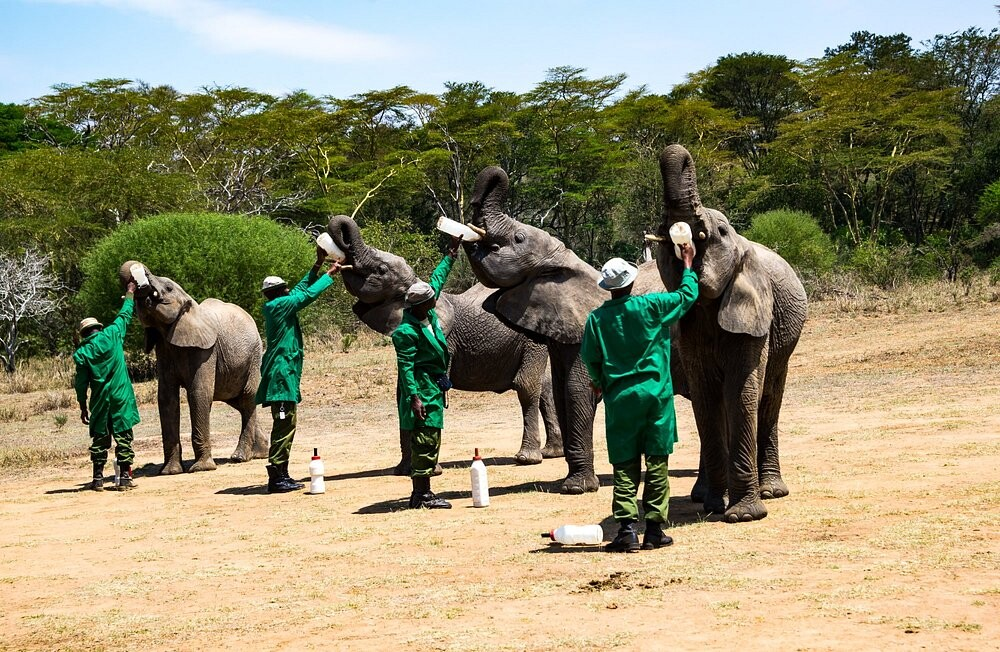
| 🍼 Elephant Feeding Routines | Keeper-led feeding |
| 🐘 Interactions Between Wild and Orphaned Elephants | Social integration |
| 🎓 Conservation Talks by Experienced Keepers | Educational insights |
These carefully managed visits allow guests to witness elephant rehabilitation while ensuring minimal disturbance to the animals. Current Sheldrick Wildlife Trust policy also requires guests staying at Umani Springs Lodge to be active foster parents of one of the Trust’s orphaned elephants.
🌿 Supporting Conservation Beyond Elephants
The Umani Springs Reintegration Unit also helps protect the wider Kibwezi Forest ecosystem.
| Revenue Generated Through the Sheldrick Wildlife Trust Eco Lodges Supports | Details |
|---|---|
| 🛡️ Anti-Poaching Patrols | Protecting wildlife |
| 🌳 Forest Protection | Preserving habitat |
| 🐘 Wildlife Monitoring | Tracking elephant populations |
| 🌱 Habitat Restoration | Rebuilding ecosystems |
| 🏘️ Community Conservation Programmes | Empowering local communities |
| 🤝 Kenya Wildlife Service Partnerships | Collaborative conservation |
| 🩺 Veterinary Assistance for Wild Animals | Emergency care |
Every visit contributes directly to preserving this remarkable landscape.
🏡 Stay at Umani Springs Lodge
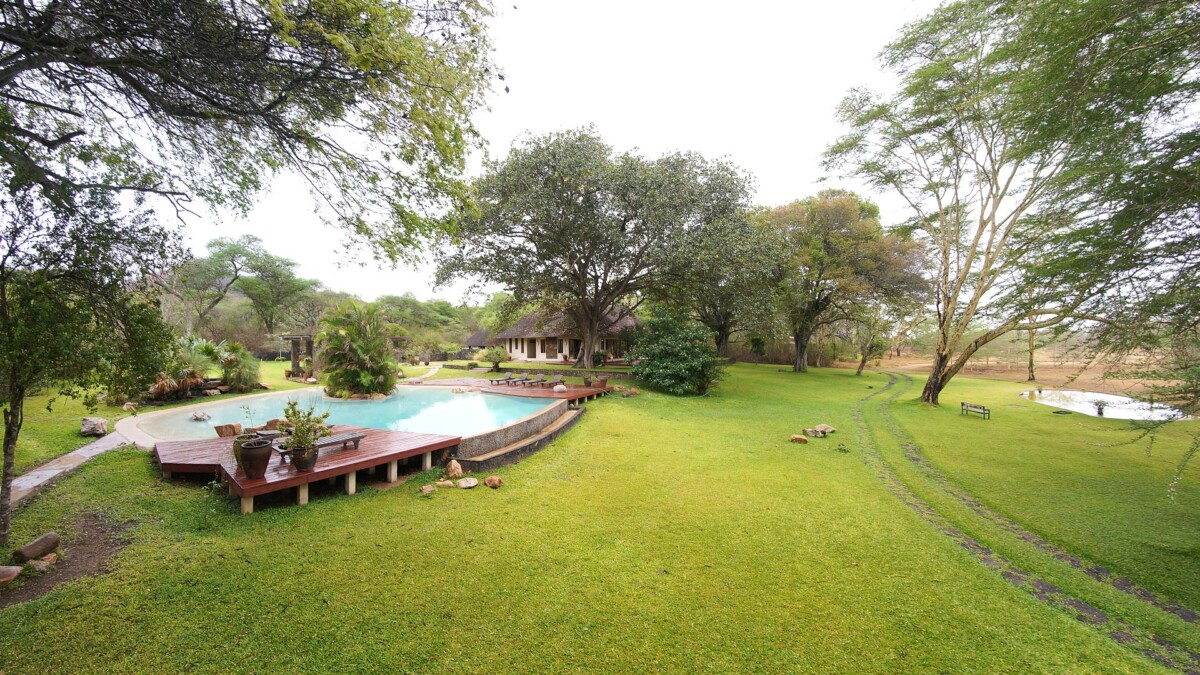
The best way to experience the Reintegration Unit is by staying at Umani Springs Lodge. This beautiful exclusive-use eco lodge allows guests to combine luxury accommodation with meaningful conservation experiences.
| Lodge Feature | Details |
|---|---|
| 🏡 Exclusive-Use | Private eco lodge |
| 🍽️ Self-Catering Basis | Like all Sheldrick Wildlife Trust Eco Lodges |
| 👨🍳 Professional Chef | Housekeeping team and camp staff prepare and serve every meal |
| 🛒 Guests Provide Groceries | With our assistance |
🛒 Beyond Kenya Safaris Menu Planning Service
To make your stay effortless, Beyond Kenya Safaris works directly with the lodge chef before your arrival to prepare:
| Service | Details |
|---|---|
| 📋 Personalised Menus | Tailored to your preferences |
| 🛒 Detailed Shopping Lists | Everything you need |
| 🥗 Special Dietary Requirements | Catered for |
| 👨👩👧 Children’s Meals | Family-friendly options |
| 🎉 Celebration Menus | For special occasions |
Upon arrival in Nairobi, we accompany you to carefully selected supermarkets and assist with purchasing everything needed for your safari. This personalised service ensures your holiday is perfectly organised from the very beginning.
🏆 Why Visit the Umani Springs Reintegration Unit?
Few conservation experiences are as inspiring. Visitors witness:
| Experience | Details |
|---|---|
| 🐘 Elephant Rehabilitation in Action | Witness the journey to freedom |
| 💚 Special-Needs Elephants Thriving | Overcoming extraordinary challenges |
| 🌳 Beautiful Forest Scenery | Ancient groundwater forest |
| 🤝 Close Encounters with Orphaned Elephants | Unforgettable interactions |
| 🐘 Wild Elephant Interactions | Social integration |
| 🌍 World-Leading Conservation | Sheldrick Wildlife Trust |
| 📸 Exceptional Wildlife Photography | Award-winning compositions |
| 🌟 Genuine Conservation Success Stories | Inspiring outcomes |
❓ Frequently Asked Questions
| Question | Answer |
|---|---|
| 🐘 What is the Umani Springs Reintegration Unit? | It is the Sheldrick Wildlife Trust’s specialised rehabilitation centre for orphaned elephants that require a gentler environment because of permanent injuries or special needs before returning to the wild |
| 📍 Where is it located? | The Unit is located within Kibwezi Forest between Chyulu Hills National Park and the Tsavo ecosystem in southern Kenya |
| 👥 Can anyone visit? | Visits are reserved for guests staying at Umani Springs Lodge, subject to the Trust’s current visitor policies |
| 🌿 Why are some elephants moved to Umani instead of Ithumba? | Umani provides a cooler, forested habitat with permanent water, making it especially suitable for elephants recovering from serious injuries or with long-term physical limitations |
| 🕊️ Do elephants eventually return to the wild? | Yes. The aim is for every elephant to become fully independent. Many former orphans later return voluntarily with their own wild-born calves to visit the Keepers |
🦁 A Guide to Sheldrick Wildlife Trust Kenya
| Experience | Location |
|---|---|
| 🐘 Nairobi Elephant Nursery | Nairobi |
| 🏡 Umani Springs Lodge | Kibwezi Forest |
| 🐘 Umani Springs Reintegration Unit | Kibwezi Forest |
| 🐘 Ithumba Reintegration Unit | Tsavo East |
| 🐘 Voi Reintegration Unit | Tsavo East |
| 🏕️ Ithumba Camp | Tsavo East |
| 🏕️ Ithumba Hill Camp | Tsavo East |
| 🏡 Ithumba Private | Tsavo East |
| 🏕️ Galdessa Camp | Tsavo East |
| 🏕️ Galdessa Little | Tsavo East |
| 🌳 Chyulu Hills National Park | Southern Kenya |
| 🦁 Luxury Kenya Safaris | Across Kenya |
📞 Plan Your Umani Springs Safari with Beyond Kenya Safaris
Beyond Kenya Safaris specialises in tailor-made conservation safaris that connect travellers with Kenya’s most inspiring wildlife experiences.
We arrange stays at Umani Springs Lodge, organise all road and air transfers, assist with menu planning and grocery shopping in Nairobi, and create personalised itineraries that combine the Nairobi Elephant Nursery, Umani Springs Reintegration Unit, Ithumba Reintegration Unit, Tsavo, Amboseli, Samburu, Laikipia, and the Maasai Mara.
Whether you dream of meeting rescued elephants in the forest or enjoying an exclusive conservation safari, our experienced team will ensure every aspect of your journey is seamlessly planned.
📞 +254 785 639 497 | ✉️ sales@beyondkenyasafaris.com
🔘 Enquire Now