Exploring the Ithumba Reintegration Unit: Where Orphaned Elephants Find Their Way Back to the Wild
Conclusion First
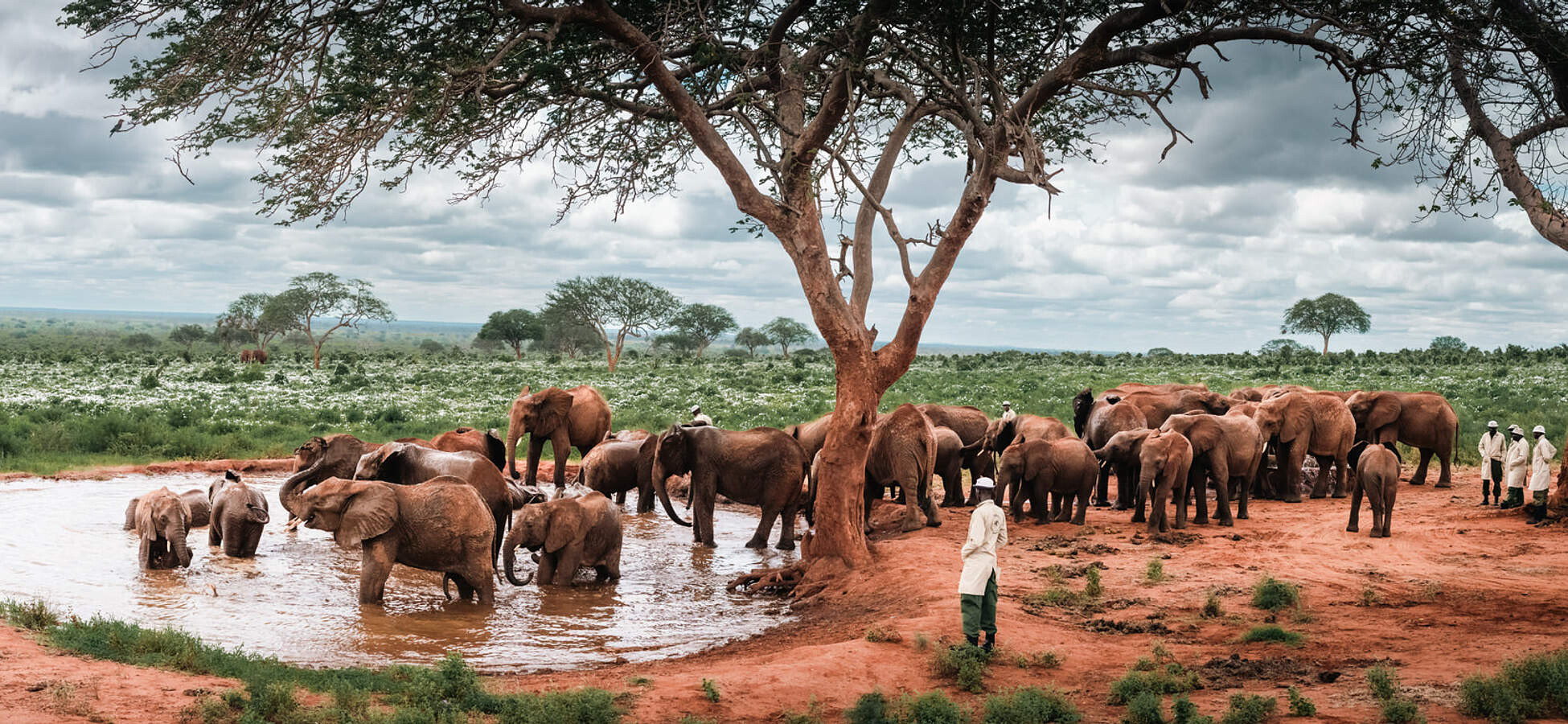
The Ithumba Reintegration Unit is one of the Sheldrick Wildlife Trust’s (SWT) most successful elephant reintegration facilities, located in the remote northern sector of Tsavo East National Park. This is not just a transit station for dozens of orphaned elephants returning to the wild, but also a critical gathering point for wild elephant herds in the Tsavo region due to its unique ecological value. Through professional arrangements by Beyond Kenya Safaris, travelers can gain rare access to this important conservation site without disrupting the wildlife, witnessing the authentic process of elephant rehabilitation and reintegration.
Who Is the Ithumba Reintegration Unit?
The Ithumba Reintegration Unit was established in 2004 and serves as the core conservation facility operated by the Sheldrick Wildlife Trust in Tsavo East National Park.
It forms a complete elephant rescue chain with the Nairobi Nursery: where orphaned baby elephants first receive basic care in Nairobi, and when they reach 3 to 6 years of age, they are transferred to Ithumba to learn survival skills in an environment closer to the wild, eventually integrating into wild elephant herds.
This process is not accomplished overnight. According to SWT, elephant reintegration can take up to ten years, depending on the age at which each elephant was orphaned and how much it remembers of its wild family. How long elephants stay at Ithumba is entirely up to them—they truly leave only when they are ready to live independently.
What Makes Ithumba Unique
Unlike other elephant conservation facilities in Kenya, Ithumba has several distinctive characteristics:
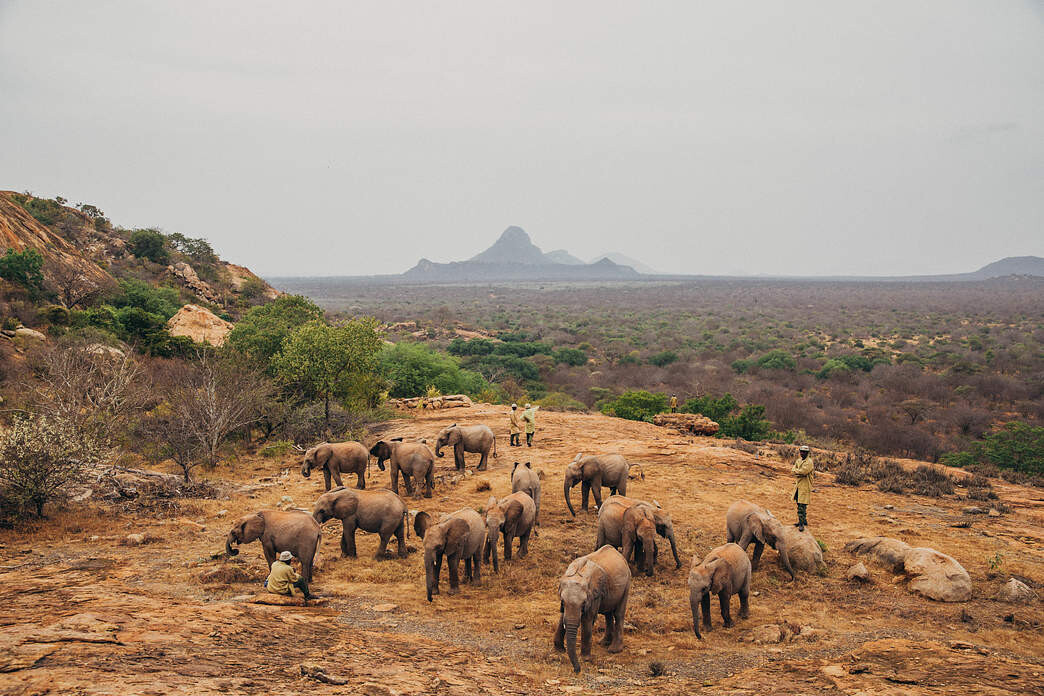
- A completely untouched wilderness environment: Located in the northern sector of Tsavo East National Park, this area remains in its pristine natural state
- A natural gathering point for wild elephant herds: Thanks to the continuous protection of SWT anti-poaching teams and aerial patrol units, Ithumba has become a “safe harbor” for wild elephants in northern Tsavo, with herds of all sizes passing through almost daily
- Historical significance of wild elephant return: After the large-scale poaching of the 1970s to 1990s, wild elephants in northern Tsavo had almost completely disappeared. It was only after the orphaned elephant herds at Ithumba became established that wild elephants gradually regained confidence in this area and returned
Why Is Ithumba Worth a Special Journey?
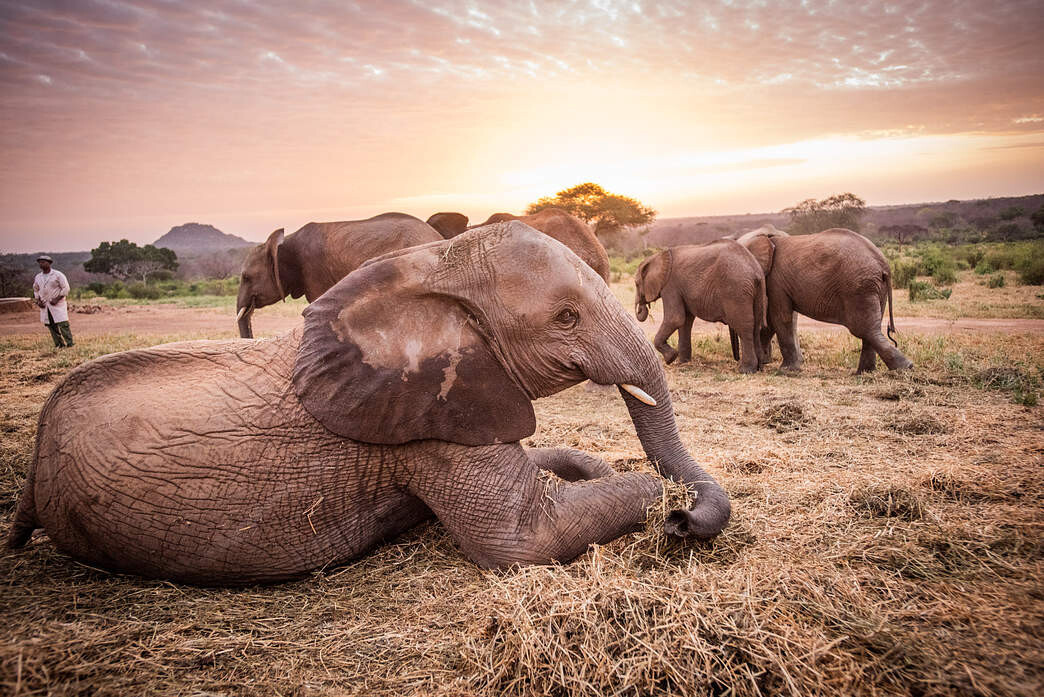
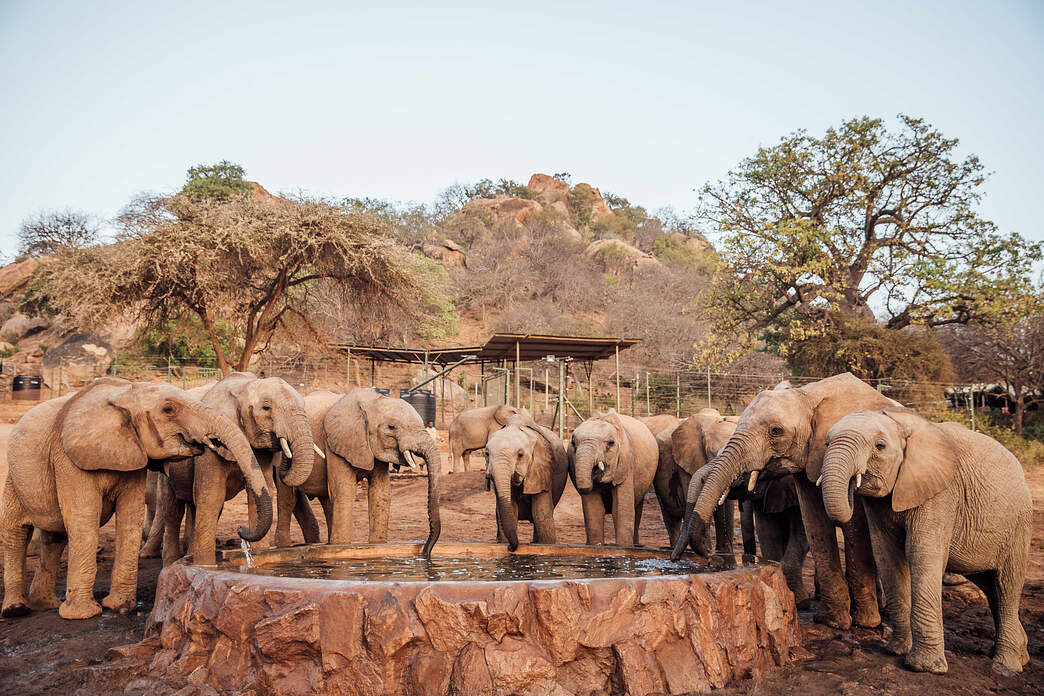
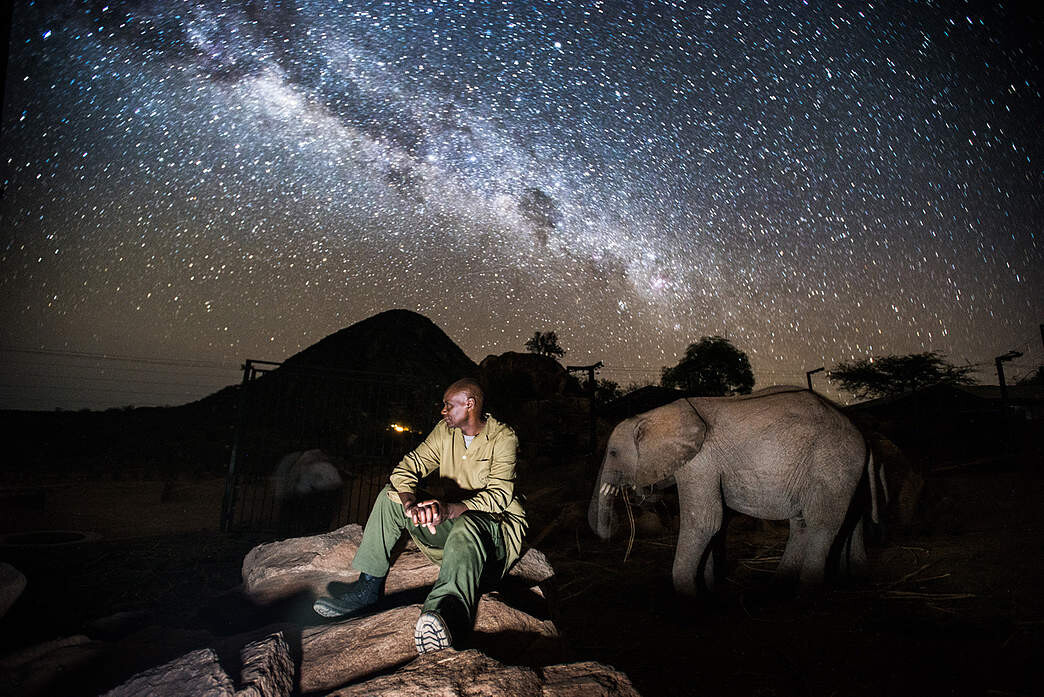
- Witnessing the Authentic Process of Elephant Reintegration:-At Ithumba, travelers have the opportunity to observe the daily activities of orphaned elephants, including milk feeding and mud bath time. This is not merely sightseeing but a window into understanding the elephant rehabilitation process.
- Encounters with Wild Elephant Herds:-Due to Ithumba’s unique ecological position, travelers can often witness spectacular scenes of over 70 elephants gathering, including already-reintegrated “former orphans,” their wild-born calves, and friendly wild bulls. Among these wild elephants are impressive individuals whose survival stories are themselves silent indictments of the poaching threat.
- In-Depth Explanations from the Professional Keeper Team:-Ithumba’s keeper team is known for its professionalism and enthusiasm. Multiple travelers have mentioned that keepers “never tire of answering our questions” and “are happy to share their knowledge”. This trust relationship established between humans and elephants is precisely the foundation of SWT’s successful reintegration work.
From Rescue to Freedom
Every elephant at Ithumba has already completed an extraordinary journey. Most arrive at the Sheldrick Wildlife Trust Elephant Nursery in Nairobi after losing their mothers to drought. They also suffer from poaching, human-wildlife conflict, accidents or natural causes.
Additionally, at the Nursery, dedicated keepers provide around-the-clock care and emotional support. They use specialist milk formulas and often sleep beside young calves who would otherwise not survive without constant companionship. Around the age of three, many elephants graduate to the Ithumba Reintegration Unit. There, they begin the long process of returning to the wild.
Life at the Ithumba Reintegration Unit
Each day follows a gentle routine designed to encourage natural behavior rather than dependence.
Every morning the elephants leave the stockades with their keepers and spend the day browsing across the Tsavo wilderness.
During the day they:
- Feed on natural vegetation
- Learn migration routes
- Socialize with other orphaned elephants
- Meet wild elephant families
- Play, browse and explore freely
- Return voluntarily for supplementary milk feeds while still dependent
As the elephants mature, they gradually spend longer periods away from the stockades until eventually they choose to live permanently with wild herds. Even then, many return to visit the keepers who raised them.
The Extraordinary Bond Between Keepers and Elephants
One of the most remarkable aspects of Ithumba is the lifelong relationship between the elephants and their keepers.
Although the goal is complete independence, many former orphans continue to visit for years after returning to the wild.
Some arrive with:
- Newborn calves
- Young families
- Bull companions
- Wild herds
It is not uncommon for ex-orphans to introduce their calves to the keepers who helped raise them. These visits demonstrate the extraordinary memory and social bonds elephants possess and are among the greatest rewards of the rehabilitation programme.
Meeting Wild Elephants
One of the reasons Ithumba has become so successful is the regular interaction between rescued elephants and wild elephant populations.
Wild herds frequently visit the area, allowing dependent orphans to:
- Observe natural elephant behavior
- Develop social relationships
- Learn herd dynamics
- Gain confidence in the presence of wild elephants
These encounters help bridge the gap between human care and independent life in the wild, making the transition gradual and stress-free.
Conservation Beyond Elephant Rehabilitation
The Ithumba Reintegration Unit is only one part of the Sheldrick Wildlife Trust’s wider conservation efforts in northern Tsavo.
Revenue from the Eco Lodges and conservation programs helps support:
- Anti-poaching patrols
- Aerial wildlife surveillance
- Veterinary support
- Water projects
- Habitat protection
- Community conservation initiatives
- Collaboration with the Kenya Wildlife Service
Every guest staying at an Ithumba property contributes directly to these initiatives.
How to Arrange an Ithumba Visit?
Access Conditions
The Ithumba Reintegration Unit is not open to the general public. Ordinary tourists cannot visit directly as they would the Nairobi Nursery. Access is primarily achieved through the following methods:
- Staying at SWT Eco-Camps: Guests at Ithumba Camp ,Ithumba Private and Ithumba Hill Camp enjoy private access to enter the reintegration unit and watch the elephants’ feeding and mud bath activities
- Arrangements through Professional Tour Operators: Qualified operators such as Beyond Kenya Safaris can integrate Ithumba visits into customized itineraries
- Foster Parent Status: SWT foster parents can visit through prior arrangements
Best Time to Travel
Ithumba is located in the northern sector of Tsavo East National Park, an area with a hot and dry climate. The dry seasons (June to October and January to February) are generally better periods for wildlife observation and visits. However, the Ithumba experience centers on elephant conservation rather than traditional big game viewing, so meaningful elephant observation can be conducted year-round.
Transportation Options
Getting to Ithumba from Nairobi typically involves two methods:
- By Road: Via the E903 highway through Kibwezi, taking approximately a day, with opportunities to enjoy Tsavo’s wilderness landscapes along the way
- By Air: Charter flights from Nairobi’s Wilson Airport to Ithumba Airstrip, significantly reducing travel time
Beyond Kenya Safaris, a family-run tour operator founded in Nairobi in 2006, has nearly two decades of East African travel experience and can effectively integrate Ithumba visits with other Tsavo East National Park experiences in itinerary design.
Integrating an Ithumba Visit with Tsavo East National Park
An Ithumba visit should not be conducted in isolation. Incorporating it into a more complete Tsavo East itinerary creates a richer travel experience:
Plan Your Sheldrick Wildlife Trust Safari with Beyond Kenya Safaris
Beyond Kenya Safaris specializes in tailor-made conservation safaris that connect travellers with Kenya’s most inspiring wildlife experiences.
We arrange accommodation at Ithumba Camp, Ithumba Hill Camp and Ithumba Private, organize all road and air transfers, assist with menu planning and grocery shopping in Nairobi, and design personalized itineraries that combine the Ithumba Reintegration Unit with the Nairobi Elephant Nursery, Tsavo, Amboseli, Samburu, Laikipia and the Maasai Mara.
Whether your dream is to witness orphaned elephants taking their first steps back to freedom or to enjoy an exclusive safari in one of Kenya’s most remote wilderness areas, Beyond Kenya Safaris will ensure every detail of your journey is perfectly planned.
Frequently Asked Questions
What is the difference between Ithumba and the Voi Reintegration Unit?
Both are SWT facilities in Tsavo. Ithumba is located in a more remote area of northern Tsavo East and is larger, with more frequent wild elephant activity; Voi is located closer to the main entrance of Tsavo East and is relatively more accessible
.
Does visiting Ithumba disturb the elephants?
SWT strictly controls access to ensure human activities do not interfere with the elephants’ reintegration process. Guest visits are conducted under keeper guidance following strict rules. Multiple travelers have mentioned that “interacting with elephants with keepers’ permission” is possible, but the elephants’ comfort always takes priority
.
Is Ithumba suitable for family travel?
Yes. Some camps discourage children under 5 due to elevated decks and walkways
. It is recommended to confirm specific requirements with your tour operator in advance.
Conclusion
The Ithumba Reintegration Unit represents a conservation-centered approach to travel. It is not suited for tourists seeking “checklist-style” experiences, but for travelers who genuinely wish to understand elephant conservation and witness the process of wildlife returning to nature, the depth Ithumba offers is difficult to replicate elsewhere. By arranging through conservation-conscious tour operators like Beyond Kenya Safaris, travelers not only gain access to this special place but also ensure their journey contributes positively to elephant conservation efforts.
A guide to Sheldrick Wildlife Trust KenyaSheldrick Wildlife Trust Kenya
- Elephant Nursery Nairobi
- Ithumba Camp
- Ithumba Hill Camp
- Ithumba Private
- Umani Springs Lodge
- Galdessa Camp
- Galdessa Little
- Self-Catering at Sheldrick Wildlife Trust Lodges
- Tsavo East National Park Safaris
- Luxury Kenya Safaris