
The Best Way To Find
Your Dream Place In East Africa
Welcome to the gateway of your African dream safari! You have arrived on the page that promises to be the first step in designing your ultimate adventure in the wild heart of Africa. Here, at Beyond Kenya Safaris, your journey to witness the breathtaking beauty and thrilling wildlife of Kenya and Tanzania begins. Embrace the spirit of exploration with us and find yourself in the most coveted destinations East Africa has to offer. Welcome, and get ready to embark on an unforgettable voyage!
Embrace the Wild Heart of Africa:
Kenya & Tanzania
Step into a world where nature’s rhythm beats loud and proud. Kenya and Tanzania, jewels of East Africa, offer an unparalleled mosaic of wildlife, landscapes, and cultural richness. Here, adventure is endless and the welcome is as warm as the equatorial sun.
Your Epic Safari Awaits
In these lands, every safari is a brushstroke on the canvas of the wild. Marvel at Kenya’s Masai Mara and Tanzania’s Serengeti as they set the stage for the Great Migration, a spectacle of life in its most primal form.
Begin Your Adventure in Kenya & Tanzania
Talk To Us: +255 678 910 112
Signature Experiences
- Masai Mara & Serengeti: Explore the savannas that play host to one of the world’s most dramatic wildlife events – where millions of wildebeest, zebras, and gazelles traverse the landscape in a timeless ritual.
- Mount Kilimanjaro: Take the challenge to reach the roof of Africa. Whether you’re an avid trekker or a first-time climber, the journey to Kilimanjaro’s summit is an epic tale of determination.
- Beach Getaways: After your safari, unwind on the pristine beaches of Zanzibar or Kenya’s coastline, where the turquoise waters of the Indian Ocean lap against white sandy shores.
Why Choose Our Journey?
- Tailor-Made Itineraries: Craft a trip that fits your dreams, whether it’s adventure-packed, culturally focused, or a balanced blend of both.
- Local Expertise: Our team’s deep roots and knowledge ensure authentic encounters and insider access to remote gems.
- Sustainable Practices: We’re dedicated to conservation and community empowerment, ensuring that your visit has a positive impact.
Traveller Tales
Our guests often leave as friends, taking with them memories and stories that last a lifetime. From close encounters with the Big Five to the summit of Kilimanjaro, their adventures speak louder than any brochure.
Your Path to Discovery
Whether you’re seeking thrills, serenity, or a touch of both, Kenya and Tanzania offer a treasure trove of experiences. Reach out to us, and let’s create the ultimate African adventure tailored just for you.
Craft Your Dream Safari with experts who care about the details as much as the big picture. Your story in Kenya and Tanzania starts here.
Discover Kenya’s Magic – Top 3 Travel Packages
The Great Migration Safari
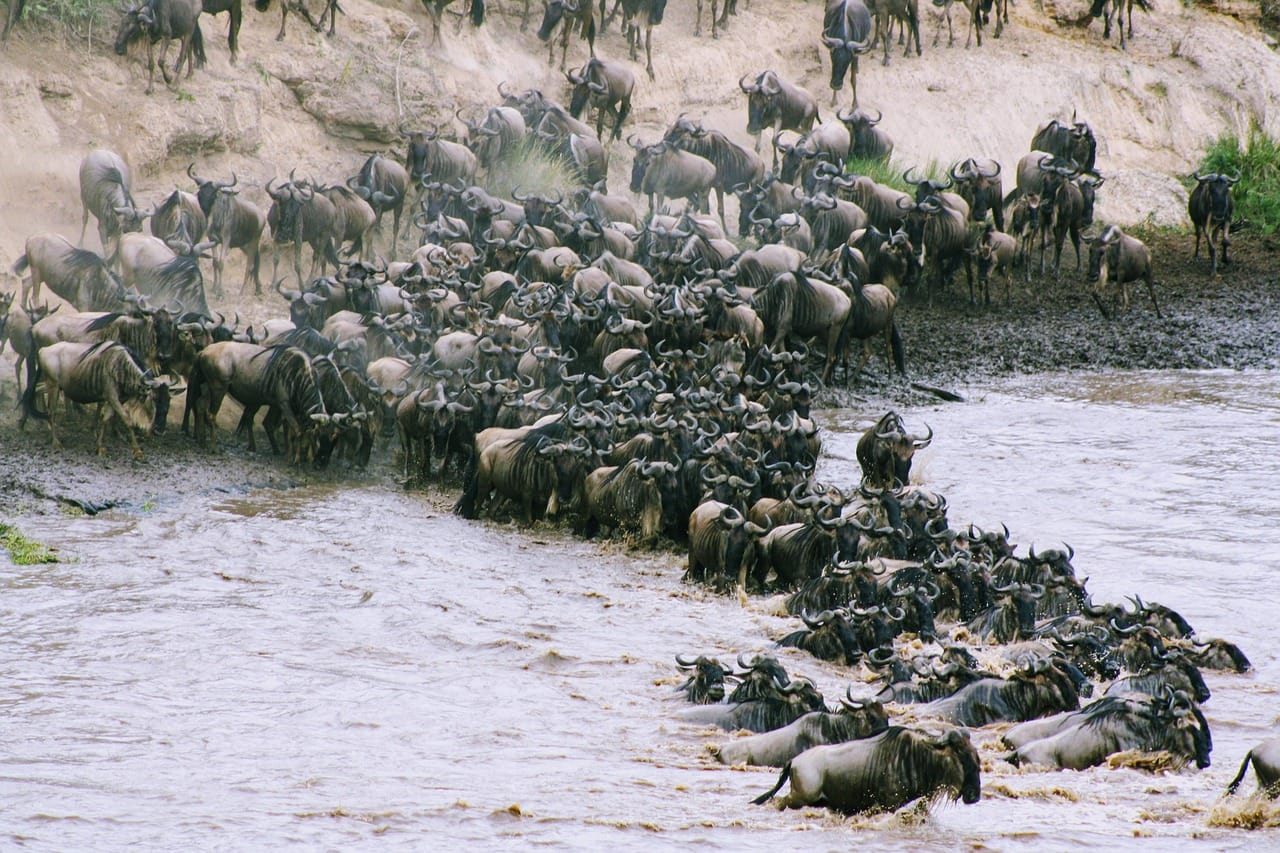
Experience the breath-taking phenomenon of the Great Migration with this immersive safari package. Witness the thundering hooves of millions of wildebeest, zebras, and gazelles as they make their perilous journey across the Masai Mara.
Duration: 8 Days / 7 Nights
Highlights:
- Exclusive game drives in the Masai Mara National Reserve
- Picnics overlooking the Mara River
- Optional hot air balloon ride for a bird’s eye view of the migration
Kenya’s Big Five Adventure

Set out on a quest to spot the much-coveted Big Five – Lion, Elephant, Buffalo, Leopard, and Rhino. Kenya’s game reserves are the perfect backdrop for this thrilling wildlife adventure.
Duration: 12 Days / 11 Nights
Highlights:
- Game drives in Amboseli National Park, with stunning views of Mount Kilimanjaro
- Visit the iconic Tsavo East and West National Parks
- Relax on the beaches of Mombasa post-safari
Cultural & Beach Escape
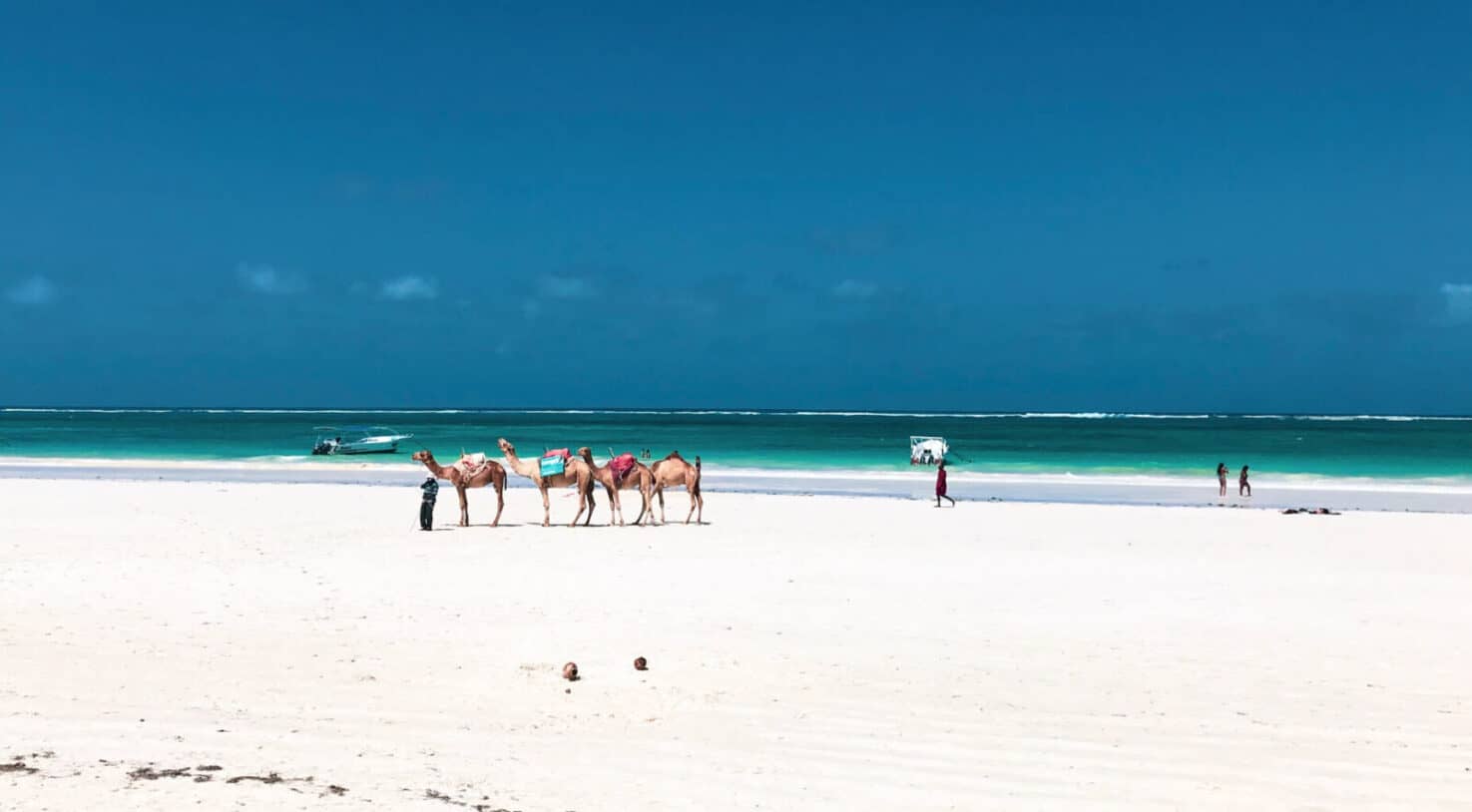
Blend spectacular wildlife experiences with cultural interactions and a relaxing beach finale on Kenya’s stunning coast.
Duration: 10 Days / 9 Nights
Highlights:
- Authentic encounters with Maasai tribespeople
- Safari in Samburu National Reserve
- Ending the journey with a luxurious stay on the beaches of Diani
Kenya’s diverse landscapes and unparalleled wildlife experiences are complemented by an array of luxury accommodations where comfort and opulence meet the untamed wilderness. Here’s a list of six exquisite lodges, each situated in a unique Kenyan locale, promising an unforgettable stay amidst nature’s splendor.
Amboseli National Park: Ol Tukai Lodge
Nestled in the shadow of Mount Kilimanjaro, Ol Tukai Lodge is a premium destination for those looking to savor the spectacle of Elephants and the breathtaking panorama of the peak. Guests can immerse themselves in the elegant ambiance with spacious rooms offering stunning views of the wetlands.
Accommodation Features:
- Lodge rooms with private terraces
- Alfresco dining with Kilimanjaro views
- Guided nature walks and bird-watching tours
Chyulu Hills: Ol Donyo Lodge
Ol Donyo Lodge is a serene escape located in the Chyulu Hills, blending contemporary luxury with the rich culture of the Maasai. Each of the exclusive suites boasts a plunge pool, rooftop star bed, and dramatic views of the surrounding plains and Mount Kilimanjaro.
Accommodation Features:
- Private suite pools and lounging areas
- Horseback safaris and mountain biking
- Community and conservation initiatives
Laikipia: Segera Retreat
Set in the heart of Laikipia Plateau, Segera Retreat is synonymous with sustainable luxury. This eco-lodge offers villas constructed from timber and thatch, providing a blend of rustic charm and modern comforts, all powered by renewable energy sources.
Accommodation Features:
- Wellness spa and gym facilities
- Private art collection tours
- Helicopter tours of Mount Kenya
Samburu National Reserve: Saruni Samburu
Perched on a cliffside with panoramic views of Samburu, Saruni Samburu marries contemporary design with environmental awareness. The villas are designed to blend into the landscape, providing guests an intimate connection with the wild.
Accommodation Features:
- Infinity pools overlooking Kalama Conservancy
- Cultural visits to local Samburu villages
- Guided walks and game drives
Masai Mara: Angama Mara
Above the floor of Africa’s Great Rift Valley, Angama Mara is a remarkable safari lodge where each suite offers endless views across the Masai Mara. The lodge’s name is inspired by the Swahili word for ‘suspended in mid-air,’ reflecting the experience of staying here.
Accommodation Features:
- Glass-fronted tented suites with Mara views
- Hot air balloon safaris
- Interactive cooking with Maasai chefs
Each of these luxury accommodations provides a unique vantage point from which to explore the rich tapestry of Kenyan wildlife and culture, ensuring an indulgent and memorable adventure.